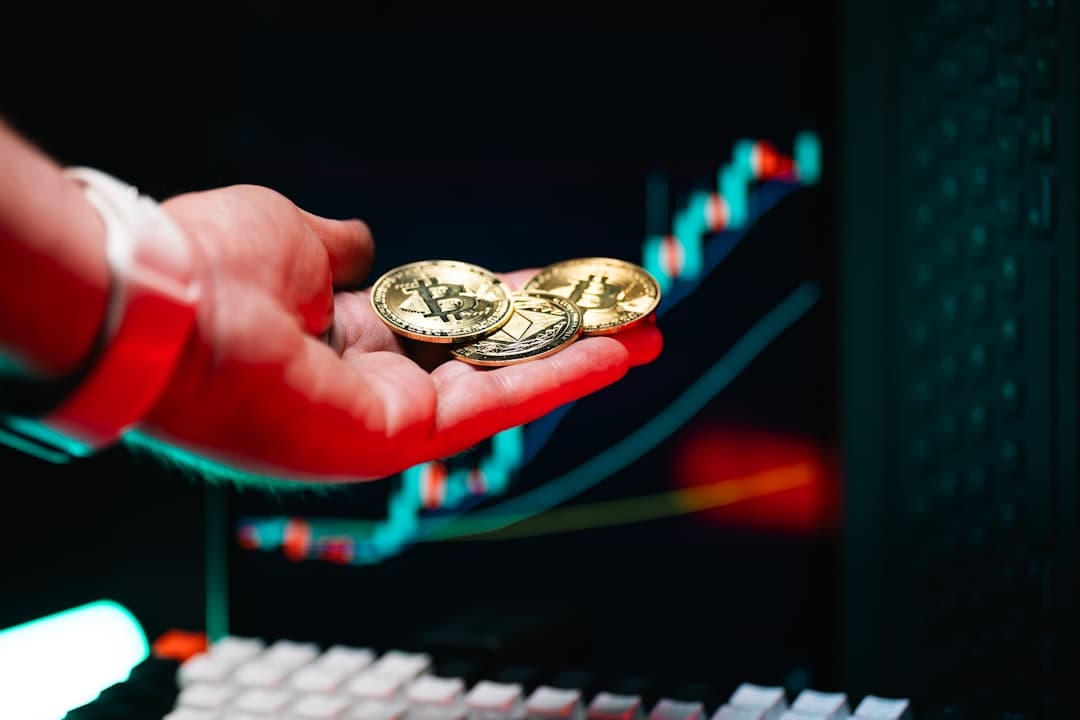
Can Stock Market Slumps Drag Bitcoin Down?
Bitcoin takes a dip as US stocks falter. Could this signal further declines, or is resilience ahead?
Bitcoin zig-zagged across new price floors this week. While some investors lament the casual drop, there's a different narrative emerging: Bitcoin's swings seem intimately tied to US stock market tremors. Conventional wisdom often says Bitcoin is a separate beast, but is it truly insulated?
Let's set the scene. Stocks have been wobbly, with concerns about interest rates and inflation casting shadows over Wall Street. Meanwhile, Bitcoin isn't just sliding – it's mimicking the stock market's rhythm like an eager dance partner. This curious correlation isn't going unnoticed. Investors are on edge, and not without reason.
Here’s what’s interesting: Bitcoin has historically been seen as 'digital gold', a hedge against traditional markets. And yet, the current movement suggests otherwise. Why does this matter? For crypto enthusiasts, it could imply that Bitcoin's perceived independence might be more intertwined with market forces than previously thought.
Attempts to understand these connections aren't entirely novel. Past patterns have shown Bitcoin dipping alongside stocks, stirring discussions around its volatility and potential tethering to broader economic signals. One parallel can be drawn with Bitcoin's action around global regulatory shifts. When regulatory fears once pushed Bitcoin to around $58,000, the market scuttled in a similar dance of uncertainty, hinting at external influences. For more insight into this phenomenon, consider how regulatory concerns influenced past Bitcoin performance.
The bigger question is: Should investors brace for further turbulence? With macroeconomic uncertainties persisting, Bitcoin may continue to reflect stock market anxieties. Investors ought to eye the Federal Reserve's moves and broader economic health as potential catalysts for crypto pricing. Bitcoin’s behavior may not be so much about its intrinsic value as its perceived narrative in global finance.
And yet, this potential link to traditional markets doesn't negate Bitcoin's ethos or purpose. As different as they are, traditional and crypto markets can share investor emotions that drive pricing symphonies. As an investor, be wary of emotional trading and constantly shifting narratives. Subplots featuring seemingly unrelated tech sectors impacting Bitcoin can further fuel sentiment.
So, what does the path ahead look like? Volatility might not be vanishing anytime soon; on the contrary, it could amplify. However, it’s worth considering if Bitcoin’s tethering to stock performance is a temporary anomaly or a paradigm shift. Can Bitcoin forge its own path independent of Wall Street's shadows? That remains to be seen. What's certain is the need for steady vigilance and open curiosity to navigate the complexities ahead.