IMF: Tokenization's Promise and Potential Pitfalls
Could tokenization transform finance's core? Not so fast — the IMF highlights potential pitfalls.
The International Monetary Fund (IMF) recently voiced an opinion that might have seemed radical just a few years ago: tokenization could transform settlement and, by extension, financial stability. That's a big claim considering how traditional finance often views crypto with skepticism. But here's what's interesting: this isn't just financial futurism; it's a plausible pathway.
If tokenization indeed becomes the backbone of settlement systems, the reach goes far beyond crypto enthusiasts tinkering with DeFi stacks. It suggests an upgrade, a reinvention of how financial systems handle and protect transactions. Yet, we must ask ourselves: at what cost?
What's Happening?
Currently, financial institutions, known for their cautious pace, are observing the potential of blockchain technology to enhance efficiencies. This interest stems from observing inefficiencies in current settlement processes—think slow transaction times, high fees, and limited transparency. Tokenization, distributing digital tokens that represent physical assets or financial instruments on a blockchain, might offer solutions.
For example, by employing smart contracts, settlements could become automatic and real-time, markedly different from the delayed processes common today. Imagine transferring property in seconds, not days—an enticing scenario for investors and consumers alike. The UK's move towards tokenized payments signals a tangible shift as nations begin exploring this potential.
Market Implications
The IMF's endorsement could act as a catalyst for both regulatory encouragement and private-sector investment in blockchain technologies. This isn't surprising given the recent trends in crypto markets, where investor confidence has sometimes bordered on exuberant speculation.
However, risks loom. How do tokenized systems handle anti-money laundering and fraud prevention? Could they really enhance stability, or are we just shifting volatility from one form to another? It appears regulators aren't fully prepared for these transformations, which could lead to friction as existing systems evolve.
Historical Context
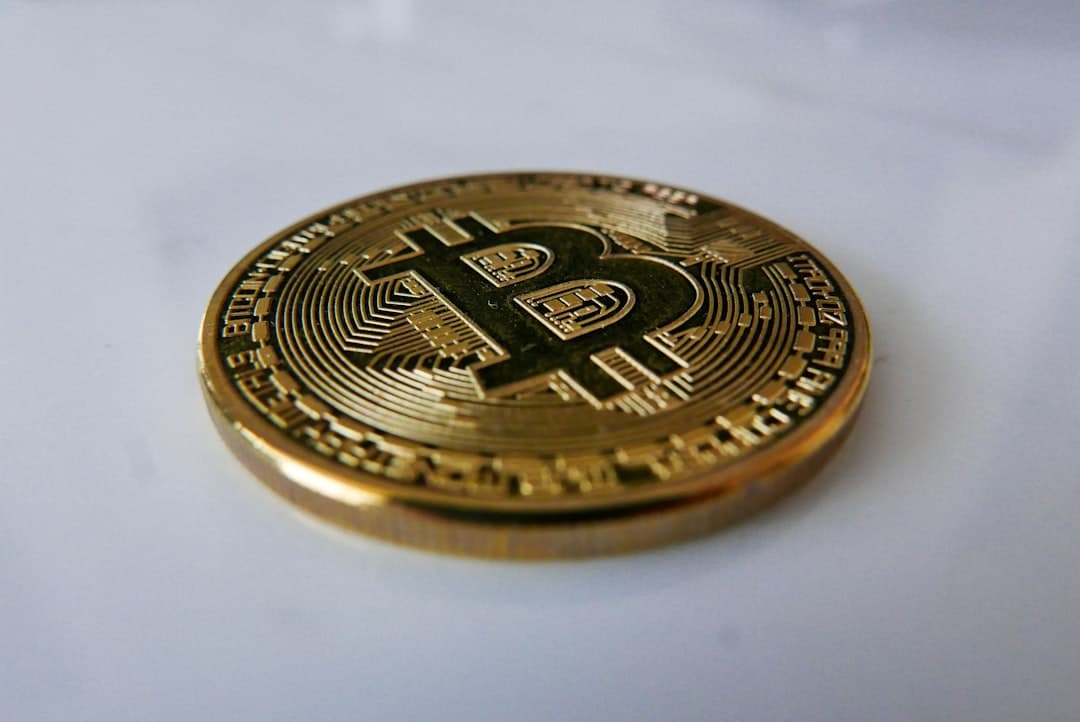
The broader adoption of tokenized systems recalls the early days of Bitcoin. Initially dismissed as a fringe curiosity, it has since ingrained itself into major financial systems, affecting both market dynamics and regulatory landscapes. Bitcoin, once ridiculed, surged past $62K, challenging financial norms as it did. Yet, even in this age of blockchain triumphs, skepticism persists. Just look at Crédit Agricole's recent Eur stablecoin launch, riding the Ethereum wave, as evidence of institutional adoption speeding up.
The Road Ahead
Does this mean a revolution is inevitable? Perhaps, but financial and technological shifts rarely occur without obstacles. Investors and enthusiasts eager to catch early waves of profitable change need to stay informed. Watch for policy shifts and pilot programs—both indicators of broader changes on the horizon.
The bigger question is whether market players will build robust, inclusive infrastructures. If they succeed, the advantages might be monumental. But if they fail, could they exacerbate the very problems they aim to solve?
Tokenization seems likely to remain a hot topic, with its dual potential for transformation and disruption. The journey from promise to reality will define how finance evolves over the coming years.
The future waits for no one. Let’s see who decides to run with it.