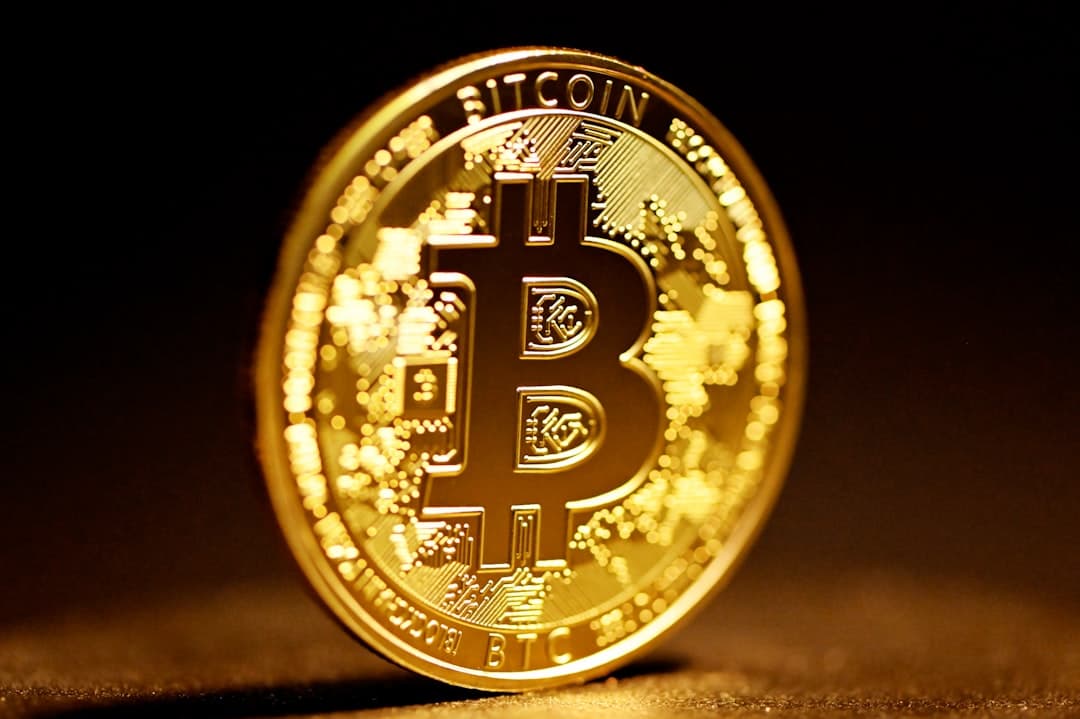
Quantum Encryption: A New Bitcoin Reality in France
France mandates quantum-resistant encryption. New hurdles or next step for Bitcoin?
France's recent decree to stop certifying products lacking quantum-resistant encryption certainly packs a punch, especially for the Bitcoin world. At first glance, this policy might seem limited to a narrow field, but its ripple effects suggest a looming shift for digital currencies. It places the onus squarely on Bitcoin stakeholders to adopt or face exclusion from the French market, a country that isn't just any player in the European landscape.
The need for quantum-resistant encryption isn't mere paranoia. It's a preemptive strike. A future-proof measure against the next technological leap: quantum computing. These mega-machines could crack today's encryption codes with alarming ease. While people herald Bitcoin's resilience amid fluctuating Fed rates, they might forget that technological safeguards also underpin this stability. France's move is a stark reminder of vulnerabilities often glossed over in bullish market predictions.
The impact on markets and investors could be significant. For one, Bitcoin enthusiasts and holders might see France's policy as a cautionary tale. A signal to recalibrate. Investors are typically drawn to Bitcoin's narrative of security and autonomy. But what happens when one of those core pillars—encryption—faces potential threats from nascent quantum technologies?
A little background helps here. Globally, digital currencies have long navigated the murky waters of regulation. Remember the Bybit's regulatory hiccups in Singapore? Overcoming each new regulatory hurdle only increases the survival fitness of cryptos. France’s move echoes the broader regulatory tide, placing encryption technology squarely under the microscope.
Will this be the pinprick that makes procedures pivot? Could it spur other nations to enforce similar requirements? It's conceivable. The stakes are high. A secure cryptographic backbone is fundamental to Bitcoin's mission. And given France's influence in the EU, this could be the starting pistol for broader regulatory harmonization across Europe.
What's vital to watch now is how Bitcoin builders—a notoriously innovative bunch—rise to this challenge. Some critics argue that a quantum-resistant Bitcoin is still a pipe dream, while others believe human ingenuity will soar above this hurdle. The latter viewpoint gains some validity from the blockchain community's history of innovation under pressure.
The clock is ticking, and the eyes of the crypto universe will be on France. This is not just an abstract tech issue; it's an upfront challenge that tests Bitcoin's future-facing promises. And the outcome could very well set the stage for a new era in encryption standards.